
Recreational Insurance
From weekend camping trips to lake days on the boat, recreational activities are at the heart of family memories. But behind every great adventure is a smart plan — and that includes making sure your toys, vehicles, and equipment are properly protected. Recreational insurance is designed to do exactly that, offering families peace of mind wherever their adventures take them.
Here’s a closer look at what recreational insurance covers, why it matters, and the many ways it can benefit your family.
What Is Recreational Insurance?
Recreational insurance is a broad category of coverage designed to protect vehicles and equipment used for leisure and outdoor activities. Unlike standard auto or homeowners insurance, recreational policies are specifically tailored to the unique risks that come with non-everyday vehicles and activities.
Common types of recreational insurance include:
- RV & Motorhome Insurance
- Boat & Watercraft Insurance
- ATV & Off-Road Vehicle Insurance
- Snowmobile Insurance
- Personal Watercraft Insurance (jet skis, wave runners)
- Golf Cart Insurance
- Travel Trailer & Camper Insurance
Why Families Need Recreational Insurance
1. Your Homeowners Policy Likely Doesn’t Cover It
Many families assume that their recreational vehicles and equipment are covered under their existing homeowners or auto insurance. In most cases, this is a costly misconception. Homeowners policies typically offer little to no coverage for motorized recreational vehicles, and standard auto policies don’t extend to off-road or on-water use. Recreational insurance fills this critical gap.
2. Recreational Vehicles Are a Major Financial Investment
Boats, RVs, and ATVs aren’t cheap. Families often invest tens of thousands of dollars into their recreational equipment. Without proper coverage, an accident, theft, or natural disaster could mean losing that investment entirely — with no financial recourse.
3. Liability Risks Are Very Real
Accidents happen, even to the most careful and experienced recreational enthusiasts. Whether it’s a boating collision, an ATV accident involving a guest, or damage caused by your RV on the road, the liability exposure can be enormous. Recreational insurance includes liability coverage to protect your family from potentially devastating lawsuits and medical expenses.
Key Benefits of Recreational Insurance
Physical Damage Coverage
Covers the cost to repair or replace your recreational vehicle or equipment if it’s damaged in an accident, fire, storm, or vandalism. This applies whether you’re actively using it or it’s in storage.
Liability Protection
If you or a family member accidentally injures someone or damages their property while using a recreational vehicle, liability coverage steps in to cover legal fees, medical bills, and settlement costs.
Medical Payments Coverage
Covers medical expenses for you and your passengers if injured during a recreational activity — regardless of who is at fault. This is especially valuable for families with children who participate in recreational sports and activities.
Emergency Roadside & Towing Assistance
Breakdowns don’t just happen on the highway. Many recreational insurance policies include specialized towing and roadside assistance for RVs, boats on trailers, and ATVs — a lifesaver when you’re miles from the nearest town.
Full-Timer Coverage for RV Families
For families who live in their RV full-time or for extended periods, standard policies may not be enough. Specialized full-timer RV coverage acts much like homeowners insurance, covering personal belongings, liability, and even loss-of-use expenses.
Comprehensive & Seasonal Coverage
Recreational vehicles face unique environmental risks — hail, flooding, falling trees, and more. Comprehensive coverage protects against these non-collision events. Many insurers also offer seasonal or lay-up discounts, reducing your premium during months when your vehicle is in storage and not in use.
Personal Belongings & Equipment Coverage
Your boat or RV often carries expensive gear — fishing equipment, camping supplies, electronics, and more. Recreational insurance can cover personal effects stored inside your vehicle, so a break-in or disaster doesn’t cost you twice.
Recreational Insurance in Action: Real-Life Scenarios
Scenario 1: The Lake Trip
A family takes their boat out for a summer afternoon. A sudden storm rolls in, causing the boat to collide with a dock. Without boat insurance, the family would face repair costs for their boat and liability for the damaged dock. With recreational insurance, both are covered.
Scenario 2: The Camping Adventure
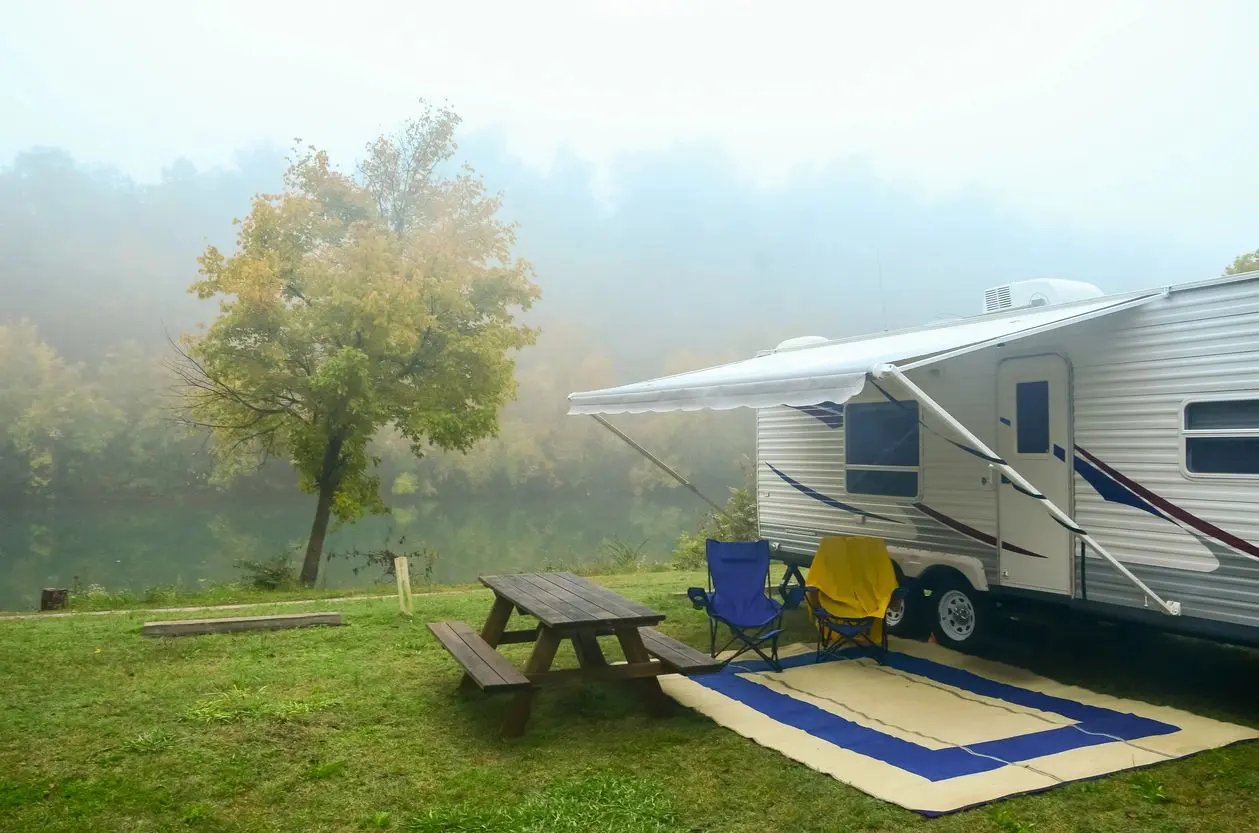
A family’s travel trailer is parked at a campsite when a tree branch falls and causes significant roof damage. Their homeowners policy doesn’t cover it — but their recreational insurance does, covering the full cost of repairs.
Scenario 3: The Weekend Ride
A teenager on an ATV accidentally tips the vehicle on a family friend’s property, injuring the friend’s ankle. The liability coverage within the family’s ATV insurance policy covers the resulting medical expenses and protects the family from a personal lawsuit.
Tips for Getting the Most Out of Recreational Insurance
- Insure at the right value — Make sure your policy reflects the true replacement cost of your vehicle or equipment, not just its current market value.
- Ask about multi-policy discounts — Many insurers offer savings when you bundle recreational insurance with your home or auto policy.
- Consider usage frequency — If you only use your recreational vehicle seasonally, look for policies with flexible or seasonal coverage options to save on premiums.
- Review your coverage annually — As your recreational vehicles age or as you acquire new equipment, update your policies accordingly.
- Inquire about safety course discounts — Completing a boating safety or ATV safety course can earn you a premium discount with many insurers.
